
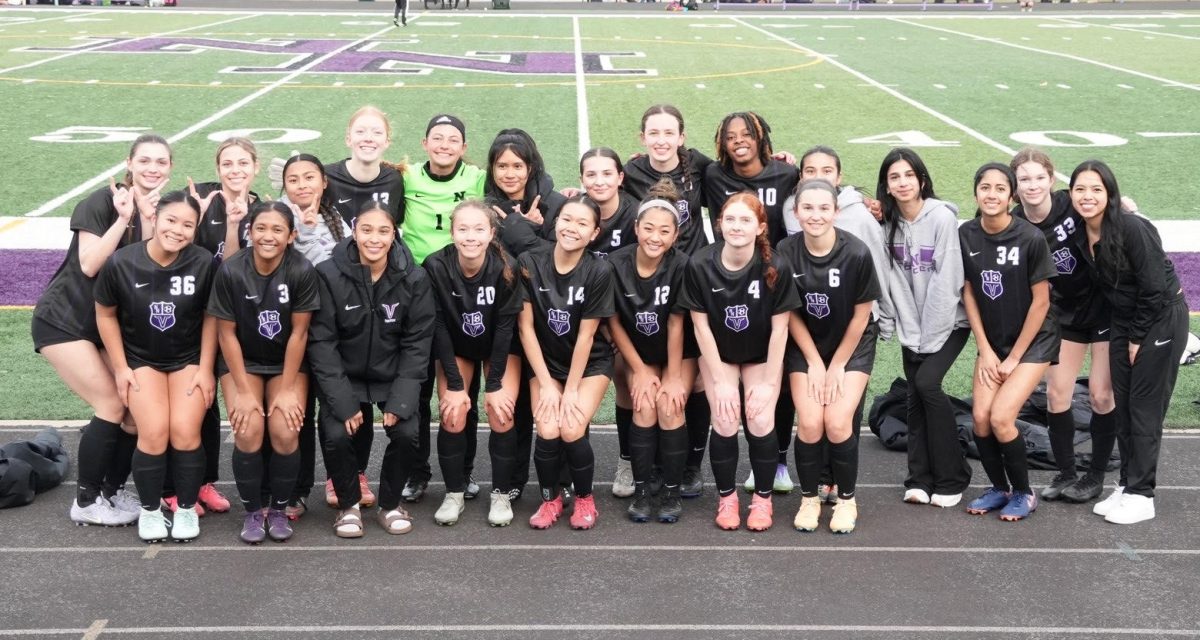
For the first time in program history, the Niles North Girls Varsity Soccer Team is not just training physically, but also mentally.
As a senior who has spent four years in the program, I have seen the team grow in talent every season. However, talent alone has not always translated into results. In past years, one of the biggest challenges was not skill, but the mental side of the game, including communication, confidence, and how players responded to pressure. This season, that is finally starting to change.
Over the past six weeks, the team has been participating in sports psychology sessions led by Dr. Jason Ness and Mr. Benjamin Shabad, both school psychologists at Niles North. The sessions focus on building a stronger mindset, improving communication, and creating a more connected team environment. The goal is simple: to help the team perform at its best when it matters most.
At the center of this work is defining who the team is. In one of the early sessions, players identified their “non-negotiables,” which are the core values that guide their actions, thoughts, and behavior. These include optimism, respect, communication, awareness, faith, selflessness, empathy, work ethic, and family.
These are not just words. They are standards the team is expected to live out every day, whether that means showing up prepared, supporting teammates, or staying positive during difficult moments.
This work is especially important given the unique pressures many female athletes face. Girls in sports often deal with higher levels of anxiety, self-doubt, and fear of judgment, whether it is about performance, body image, or how they are perceived by others. On top of that, balancing school, sports, and social expectations can create added pressure, sometimes leading to burnout or a loss of confidence.
Dr. Ness explained that these challenges are not always addressed in traditional sports psychology, which is often built around male athletes. “Female athletes have distinct psychological needs, and most traditional sport psych programs are still built around male norms, which leaves big gaps in support for girls and women,” he said. “Our work with the girls’ varsity soccer team focuses on designing ‘female-first’ mental performance systems rather than imposing a male-oriented approach.”
Shabad also emphasized the broader impact of this work, noting that student athletes face constant pressure to meet expectations from coaches, teammates, and themselves. He explained that these sessions are designed to help players build self-awareness and better manage that pressure, allowing them to perform more consistently while also becoming stronger teammates and members of the school community.
By focusing on mindset, awareness, and communication, players are learning how to recognize negative thoughts and not let them control how they play or interact with each other.
The team has also started to carry these ideas into daily practices. At the beginning of practice, players often take part in a gratitude check, referred to as a “gravity check,” to reset and focus on a positive mindset. Practices also include themes of the day or week, such as competing with joy or being more aware of body language. While these habits have already had a noticeable impact on team energy and focus, consistency will be key moving forward.
Another major focus has been communication, both verbal and nonverbal. From body language to tone of voice, players have discussed how even small actions can either build up or break down a team. One phrase emphasized throughout the sessions is “palms down, not palms up,” a reminder to stay composed and supportive rather than frustrated or blaming.
Players have also focused on awareness, including understanding their own thoughts and how they impact teammates. Through tools like the Dominance, Influence, Steadiness, and Conscientiousness (DISC) framework, the team has explored different communication styles and how to adapt to them.
Senior Leah Jackson, who has been on varsity since her freshman year, said the sessions have helped her better understand both herself and her teammates. “It’s helped me be more aware of how my teammates respond and how coaches communicate,” Jackson said. “I’ve learned how to adapt to different personalities and be more aware of my body language and mindset, which has made me more positive overall.”
When conflict does arise, the focus has shifted toward addressing it productively. Recent sessions have emphasized identifying tension, understanding different perspectives, and adjusting communication styles to resolve issues rather than allowing them to negatively affect the team.
All of this connects back to the team’s larger purpose of enjoying the process and building strong relationships, not just focusing on results. At the same time, the program aims to develop a team that responds to adversity with resilience, connection, and effort.
The team currently holds a 1–2 record, with losses to York and Loyola and a win over Regina Dominican. While the record reflects early-season challenges, it does not fully capture the growth taking place within the program.
As the season continues, the emphasis on mental performance, communication, and team connection could play a significant role in shaping future results. If the program continues to show a positive impact, it may also serve as a model for other teams at Niles North, potentially expanding similar sports psychology work across the school’s athletic programs.