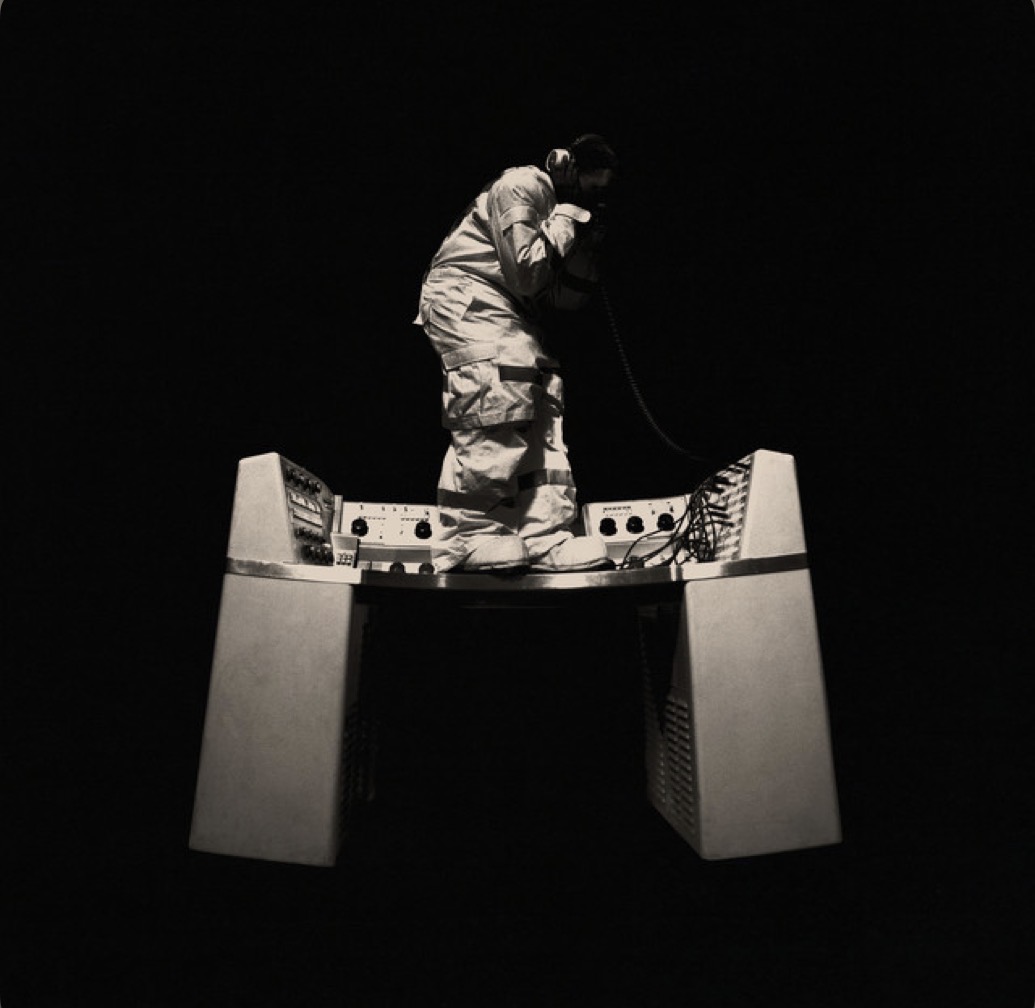
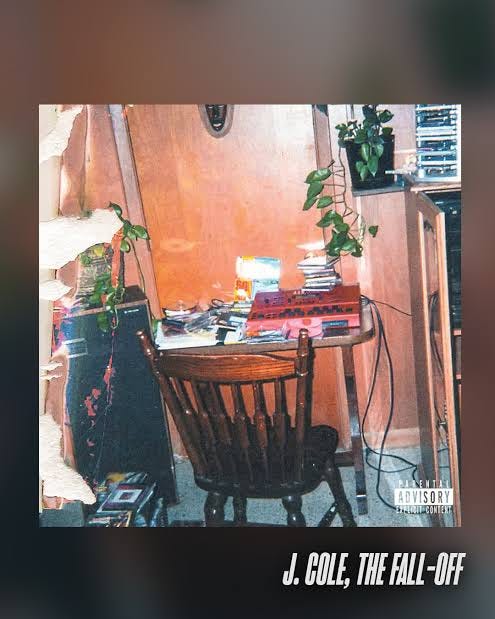
On Feb. 6, the music world witnessed a release of what many believe to be a definitive closing chapter in the career of one of its most introspective voices. The Fall-Off opens like a late night drive with the windows down–quiet, yet something meaningful lingering in the air. It marks the start and end of J. Cole’s career, from age 29 to 39. The album has two tracks – track 28 and track 38. It is Cole’s 7th album, spanning over a decade in the making.
From the moment the album was released without a traditional promotion cycle, it felt like an important moment unfolding in real time. This wasn’t merely a release, it was a statement. The clever structure is evident in its part titles: “Disc 29” and “Disc 39.” Listeners can go both backwards and forwards, a reflection on the dreams he chased at 29, and the realities he now contends with at 39.
Tracks like “Two Six” recall his Fayetteville roots and reference his early motivation and experiences. Meanwhile, songs like “Safety” dig into emotional vulnerability in ways that signal a maturity while assessing not only his accomplishments, but also his blind spots.
Cole carefully collaborates with artists like Future on “Run A Train,” as well as creative contributions of Tems, Erykah Badu, and Burna Boy. On the chorus, Future essentially challenges listeners with lines about passion, pain, and struggle, which set the primer for Cole’s lines rapping about survival instincts rooted in his past and how they shape his decisions today.
Freshman Emani Brunson gave her thoughts on the album. “I think the new album is really good. I think ’29 Intro’ is the best song. My brother and I like J. Cole’s songs a lot, and we listened to the album together,” Brunson said.
After its release, the album did what Cole wanted: it sparked conversation. Commercially, it ranked No. 1 on the Billboard 200, marking his seventh consecutive chart-topping album. Critics and fans responded in mixed ways. Some claimed it was a masterpiece and praised how he weaves his personal narrative in with his art; others argue that the length dilutes its impact.
Personally, I find the tension interesting. Here’s an artist who hasn’t chased novelty, and even in The Fall-Off he doesn’t suddenly reinvent himself. Instead, he hones in on what makes him distinct and turns it into an emotional autobiography of sorts. The Fall-Off isn’t just a collection of songs; it’s a mirror that finds J. Cole looking at his own reflection, hip hop’s history, and the culture that grew around him.