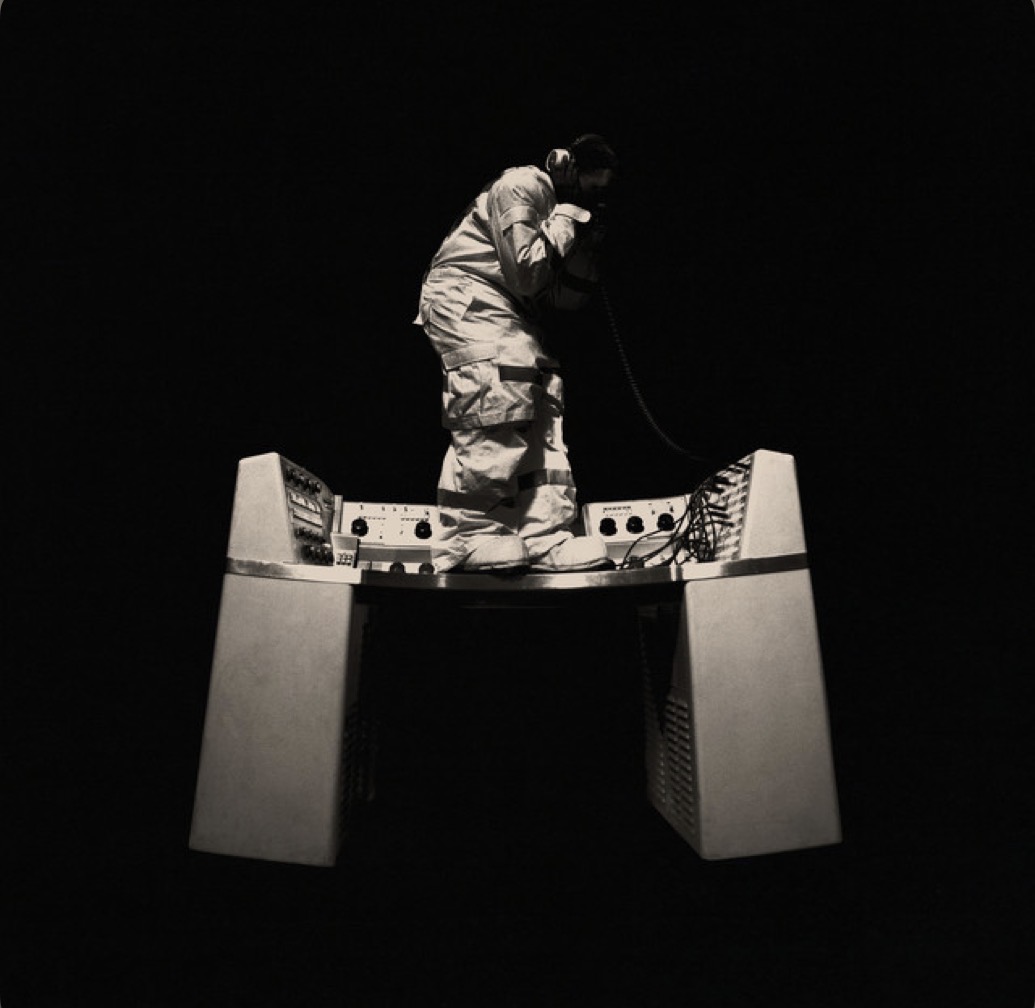
Listening to Octane for the first time felt like getting into a car late at night, windows cracked, city lights blurring past. Don Toliver has always made music that fits that kind of moment, and this album is no different. Throughout the album, Octane proves to be really solid overall, even if it does not hit perfectly on every track.
The album opens with “E85,” and while it sets the tone, it was not the strongest start for me. I didn’t think it was that good compared to what comes later, and it did not immediately pull me in the way some of Toliver’s past intros have. Still, it works fine as a warm-up, easing listeners into the sound of the album rather than overwhelming them right away.
As the tracklist moves forward, the features stand out. Songs with Travis Scott and Yeat bring big names and recognizable energy, but, surprisingly, they are not my favorites. They are still good songs, just not the ones that stayed with me the most. “Tiramisu,” which had already been released before the album dropped, fits smoothly into the project. Even though it was not new, it still felt fresh in the context of the full LP.
However, where Octane really shines is in the tracks “Body,” “Excavator,” “Gemstone,” and “Opposite.” These songs have some of the best beats on the album, with solid bars and Toliver’s signature smooth delivery. They feel confident, focused, and easily replayable.
Not every part of Octane works well. Some of the slower songs start to sound very similar, which makes the middle of the album feel less exciting. On tracks like “ATM” and “Tiramisu,” the beats seem safe instead of creative, and Toliver’s singing sometimes sound tired compared to his better songs. Still, the other, more hyped songs make the album as a whole feel alive.
As someone who has listened to a few of Toliver’s recent albums, Octane feels consistent with his overall style while still being different in a good way. He does not abandon what makes him recognizable, including solid vocals and mixing up his genres song-to-song, but he experiments with new beats and features just enough to keep things interesting.
In the end, Octane feels like an album sort of caught between playing it safe and trying something new. It has stretches that feel inspired and creative, alongside others that feel unfinished or forgettable. While it may not be one of Toliver’s most impactful albums, it still shows his ability to create pretty mood-driven music with generational replay value.