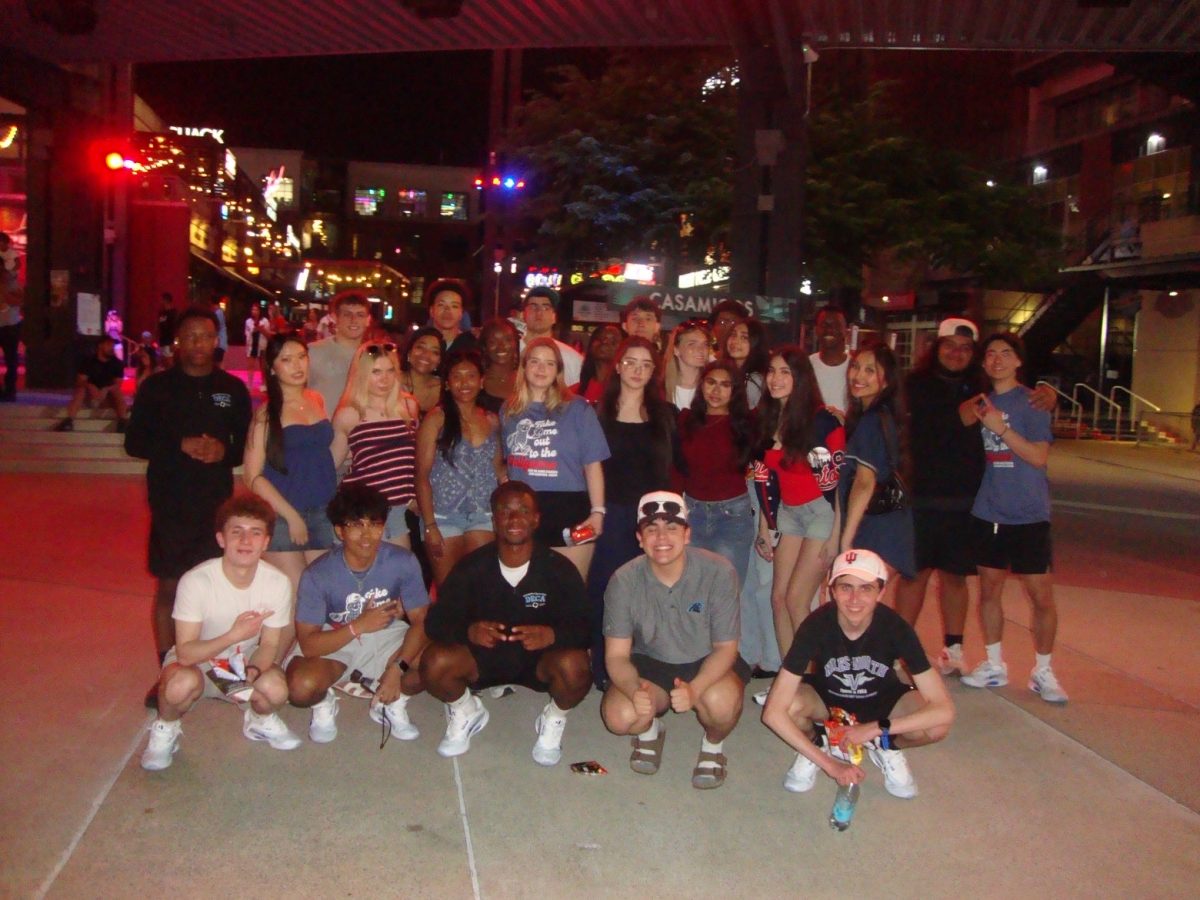
The music is loud, people are talking over each other, and someone’s phone is already out, ready to take a photo when a voice cuts through the room: “Wait, who brought the digi?” Suddenly everyone turns. Someone pulls a small digital camera out of their bag, and everyone gets excited and starts fixing their hair. People crowd together, throw their arms around each other, and smile, waiting for the flash. The photos will probably be a little blurry, and someone’s eyes will be closed, but no one really cares. By the end of the night, everyone is asking for the pictures.
For many teenagers, that excitement is part of what makes using a digital camera fun. “I like using my digital camera because it feels more exciting, and I love the vintage look,” senior Uruj Hazara said. “When I post the photos on Instagram or wherever, they almost feel like future nostalgia.”
Photos have always meant a lot to people. The saying “a picture is worth a thousand words” exists for a reason. A single image can capture a moment, an emotion, or a memory that would be hard to describe any other way. Photos freeze things that would otherwise disappear, like birthdays, vacations, and random hangouts with friends.
Over time, the way people take photos has changed as camera technology has developed. Cameras have gone from film to digital to smartphones. Now, many teenagers are circling back to a piece of technology that once seemed outdated: digital cameras.
For many years, photography relied on film. Cameras used rolls that could only hold a certain number of photos, and once the roll was finished, the film had to be developed before anyone could see the pictures. Because of this, people were usually more careful about when they took photos. In the late 1990s and early 2000s, digital cameras started to become popular. These cameras allowed people to take many photos at once and look at them immediately on a small screen. Point-and-shoot cameras from brands like Canon, Nikon, and Sony became common at family gatherings, vacations, and school events.
By the 2010s, smartphones started to replace these cameras. As phone cameras improved, most people stopped carrying a separate camera altogether. Phones made it easy to take a photo, edit it, and post it online within seconds. For a while, it seemed like digital cameras were disappearing.
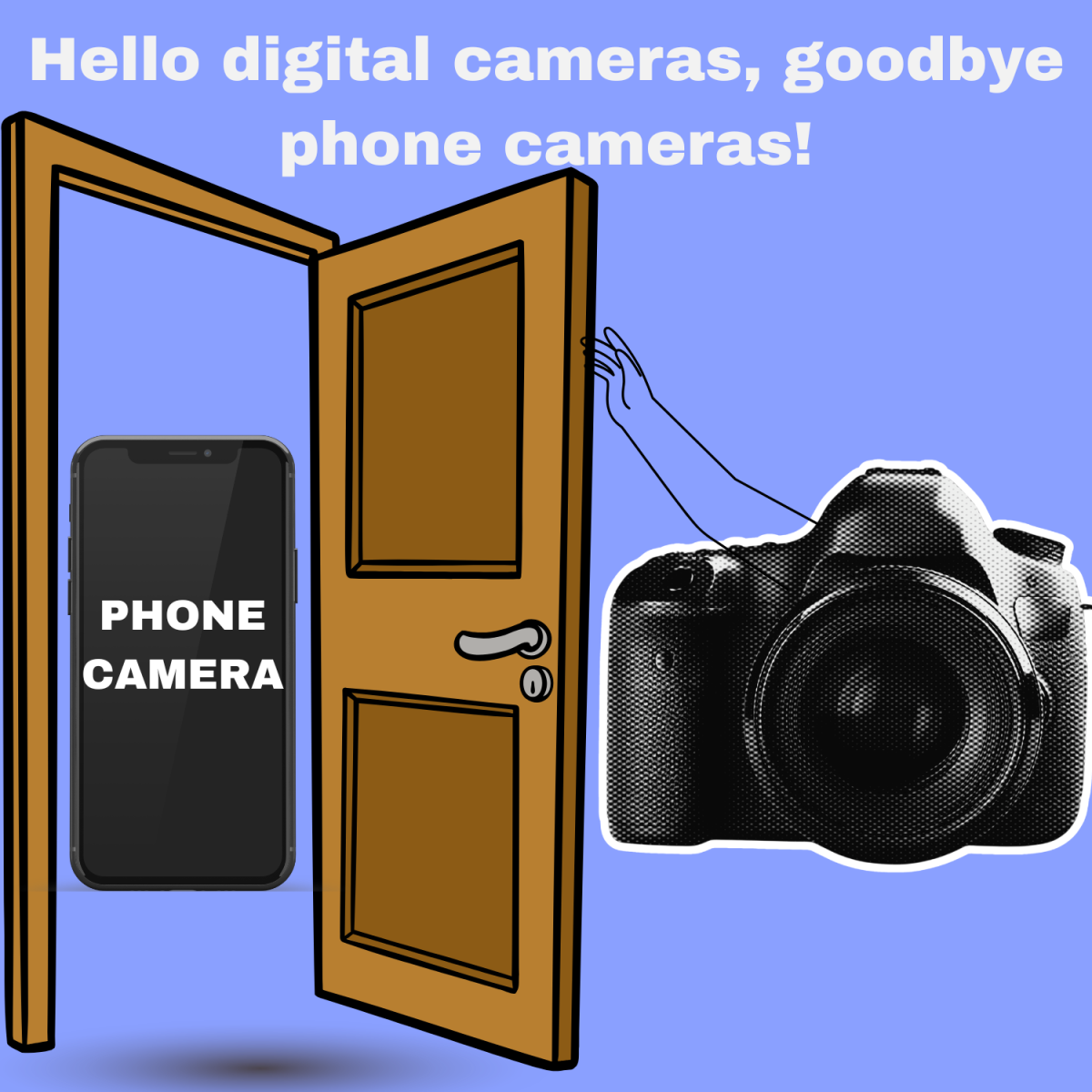
Recently, though, digital cameras have started to come back, especially among teenagers. At parties, sports games, and hangouts with friends, it is becoming more common to see someone holding a small point and shoot camera instead of using only their phone.
One reason for this comeback is the look of the photos. Pictures taken on digital cameras often have bright flash, a slightly grainy quality, and colors that feel less polished than smartphone photos. Instead of looking perfectly edited, they feel more natural and spontaneous. For many teenagers, that imperfect style is part of the appeal to it.
Social media has also played a role in the trend. On platforms like Instagram and TikTok, digital camera photos stand out because they look different from the high quality images that most phones produce. What used to feel outdated now feels nostalgic.
Camera technology will keep changing, but the comeback of digital cameras among teenagers shows that photos are about more than just the newest device. Whether they are taken on film, a phone, or a small digital camera at a crowded party, photos help people hold onto moments they want to remember. And sometimes, those memories are best captured with a flash.