
The Super Bowl just took place this past weekend on Feb. 8, with the Seattle Seahawks winning this year’s game. This week, many people are sharing highlights, debating the winning team, and talking about the halftime show. Social media is filled with excitement and celebration. What does not get talked about enough, however, is what happened in many homes after the final whistle. While millions were cheering, others were being hurt by someone they were supposed to trust.
Every year, the Super Bowl takes place on the second Sunday of February and attracts more than 100 million viewers. Families and friends gather to watch their favorite teams, eat food, place bets, and enjoy the energy of the game. For many people, it is one of the best days of the year. But behind all the excitement is an unsettling reality: domestic violence often increases during major sporting events, like the Super Bowl.
Domestic violence is defined as violent or aggressive behavior within the home, usually involving the abuse of a spouse or partner. In the United States, about 10 million people are affected by domestic violence each year, and around 1,500 people lose their lives because of it. This is not something that only happens on special occasions. It happens all year. However, emotionally intense events like the Super Bowl can create unsafe environments and make already dangerous situations worse.
One major reason is emotional investment. Football is more than just a game to many fans. It is part of the culture and often brings families, friends, and communities together. People spend money on tickets, food, and betting. They plan their entire day around watching. When their team loses, especially in an unexpected way, frustration and disappointment can quickly turn into anger. Some people struggle to manage these feelings in a healthy way and instead take them out on their partners or children.
Research supports this connection. A study by economists David Card and Gordon Dahl found that when a local NFL team suffers an unexpected loss, reports of domestic violence increase by about 10 percent. This rise happens mostly in the hours right after the game ends. Their research shows that sudden emotional shocks can trigger violent behavior in homes where unhealthy patterns already exist or where individuals struggle to control their emotions.
Alcohol also plays a major role. Super Bowl parties often involve heavy drinking. Alcohol lowers self-control and makes emotions stronger. When it is mixed with anger, gambling losses, and stress, it creates a dangerous situation. The aggressive atmosphere of football, which focuses on dominance, toughness, and winning at all costs, can also influence how some people handle their emotions.
It is important to be clear that football itself does not cause domestic violence, and the Super Bowl does not turn people into abusers. Abuse is about power and control, and it comes from deeper personal and social issues. However, major events like the Super Bowl can act as triggers. They bring together stress, alcohol, money, and intense emotions in a short period of time. This combination can expose problems that are often hidden or make existing ones worse.
In addition, the Super Bowl is often described as a celebration of American culture. If that is true, then it must reflect more than just entertainment. We cannot celebrate a game while ignoring the very real consequences that follow, including the safety of people in their own homes.
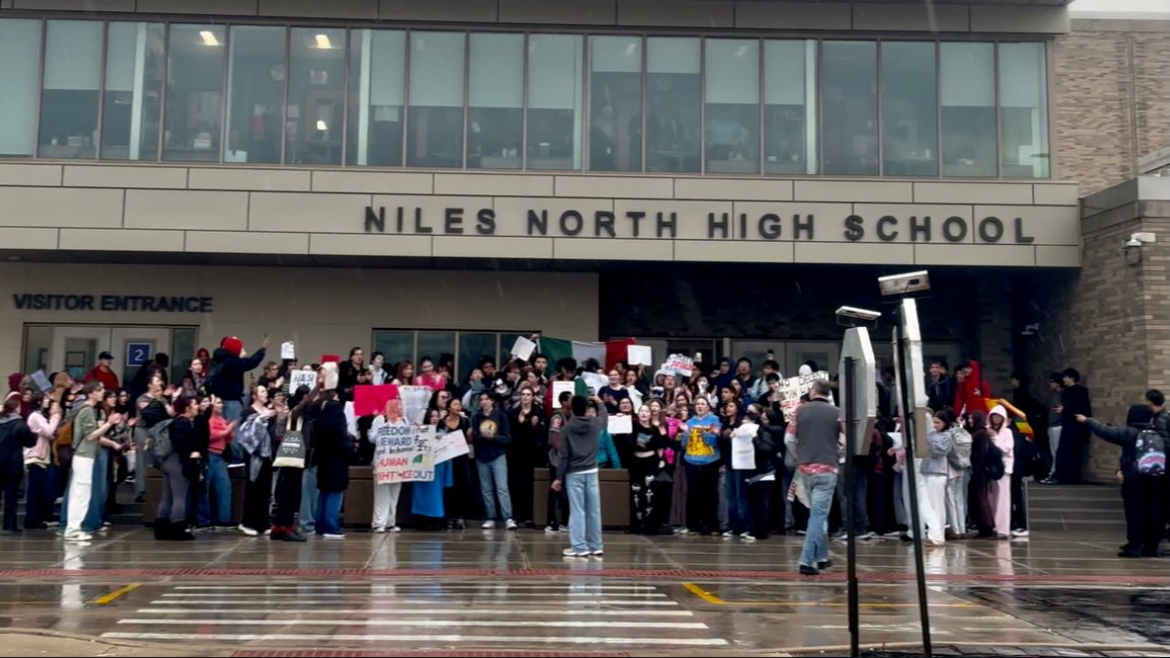
This issue matters to us at Niles North and in our broader community. Many students and families watch the Super Bowl every year. Some people may have experienced domestic violence themselves or know someone who has. Even if it has not affected you personally, understanding and becoming aware of domestic violence is essential as we grow into adulthood and take on greater responsibility in our relationships and communities. Students at Niles North are the future adults, partners, and parents. One day, we may be emotionally invested in sports, competition, and money. We have a responsibility to handle these pressures in healthy ways and not repeat harmful patterns.
It is essential that this topic be discussed openly and without hesitation. Schools and communities can begin this conversation by teaching people how to manage anger and disappointment in healthy ways. At Niles North, students are supported by school psychologists, social workers, and counselors who are trauma-informed and equipped to handle these situations. Because they are mandated reporters, speaking with one of these trusted adults can lead to support from the Department of Children and Family Services. This may result in follow-up visits and professional intervention that can help stop cycles of violence and protect those who are being harmed.
In addition, there are resources that Niles North psychologists, counselors, and social workers connect students and families with trusted community resources, including Turning Point, JCFS/Response Center, Metropolitan Family Services, and The Children’s Advocacy Center.
We can also continue to support shelters and organizations, like Housing Opportunities for Women (HOW) and YWCA Evanston/North Shore, that help survivors find safety and healing. As individuals, we can check in on friends, listen without judgment, and speak up when something feels wrong.
When the game ends and the stadium lights turn off, millions move on with their lives. But for some families, the danger is just beginning. By recognizing this connection and taking action, we can work toward safer homes, not just on Super Bowl Sunday, but every day of the year.