Bad habits, whether they be smoking, excessive screen time, or unhealthy eating, the world is constantly reminding us of the negative implications they bring. Despite this, as the world changes, the normalcy toward these habits is ever increasing with more unhealthy and processed food being released, more vapes being sold each year, and ever-evolving social media trends that tie us to our phones. The same can be said for one habit in particular that stands out to me: gambling. Gambling has long been at the forefront of American culture, with one of the United States’ largest and most notorious cities at its center. Despite this prominence, gambling has always been demonized, rightfully so, but what has changed? Why are we now seeing an influx and over-promotion of this concept that our parents spent years instilling in us would be detrimental to our finances?
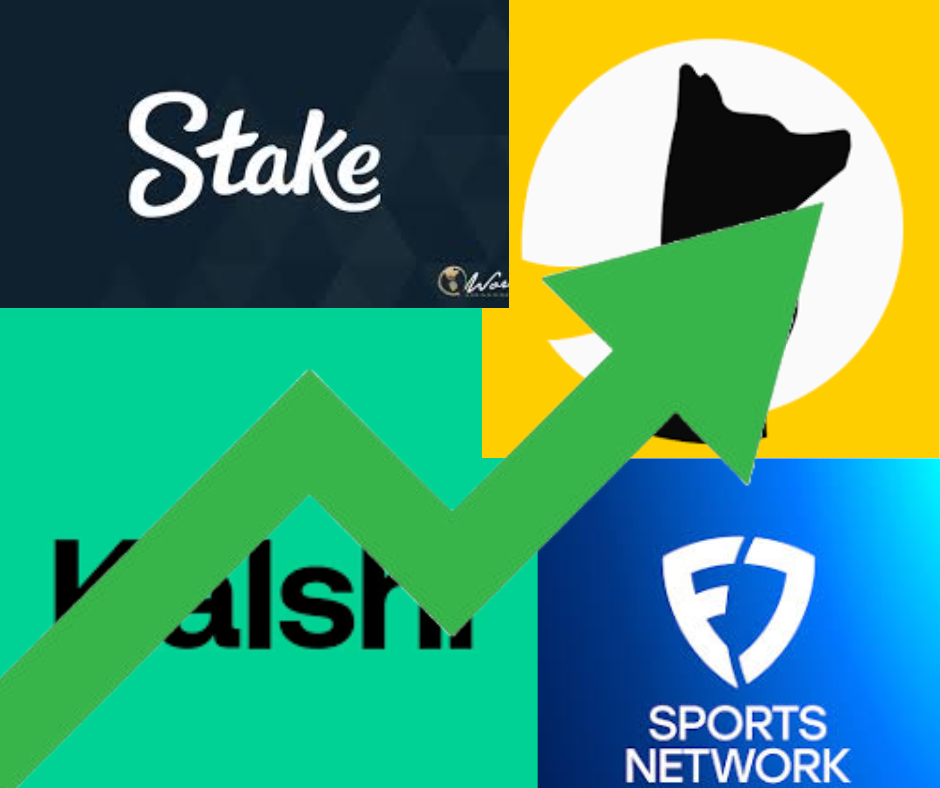
Gambling comes in many forms, but perhaps what we are seeing the most, especially over the past 5 years, is the influx of online casinos and sports betting sites. Underdog, Kalshi, Stake, and Rainbet are all household names at this point. While these sites will always remain as long as they aren’t banned throughout the country, despite some states taking action and banning them altogether, my issue stems from the concept of these casinos and sports betting apps being engraved into social media content, not even being disclosed as an ad by a large majority of content creators. It is typically content creators who revolve their pages around public interactions that promote these sites; one name comes to mind in particular: ‘JacksonFelt.’ With over 3.8 million followers, he is filming public interactions and plays a game of Rainbet every video. With such a large audience, it is clear his influence is unyielding.
Influencers that promote sports betting and online betting are not a part of some niche community; in fact, some of the largest celebrities partake in their promotion. Specifically, the likes of Adin Ross and Drake, the biggest and perhaps most influential icons of our time, especially for teenage boys and young men. Even as a Drake fanboy, his intense promotion of the online casino ‘Stake’ is questionable, especially when his audience is primarily young men, who are able to gamble or will be able to very soon. The suspicion continues to rise as he recently found himself hit with a RICO case with Adin Ross due to their ties to an alleged illegal gambling enterprise, that being ‘Stake,’ the site he so heavily promotes. Gambling should not be promoted, that’s a given, but especially when the legality of it is ever-changing.
The reality of it is, these celebrities are incredibly rich as it is, so why take advantage of your audience for some extra money? To put it simply, it is scummy no matter how you downplay it. One could argue it is your decision to gamble at the end of the day, which is true, but the constant promotion of these sites sparks curiosity. Young men, like myself, are often not mature enough to understand the implications behind gambling addictions. Gambling is not like any other addiction; the potential of its destruction is unlimited. Keeping this in mind, the concept of promoting gambling to one’s audience is even more disturbing. These celebrities are paid thousands of dollars to promote these apps. Another of the more recent celebrities who have taken up these partnerships is Giannis Antetokounmpo, partnering up with ‘Kalshi.’ Giannis is a millionaire, paid millions by the Milwaukee Bucks under a contract as a professional basketball player. Despite his exponentially increasing millions of dollars, he takes advantage of his fanbase by promoting such a site. His fans will sign up and realistically lose money, while he sits and profits off of their loss.
Unfortunately, I can provide a firsthand account of this. Prior to turning 18, I saw the potential in sports betting, seeing it plastered across all social media sites and the absurd amount of money people were winning. ¨Kalshi¨their bright green logo intrigued me, and I found myself scrolling through the app on my 18th birthday. I found myself hooked on the idea of betting on various categories–sports, politics, internet culture; it was all too familiar to me, a seemingly easy way to make money. As I placed bets within the app, I made money, but the money disappeared just as quickly. It was a never-ending cycle for two weeks. I stared at the screen with anticipation, seeing the possible profit increase and increase. It was a slow progression, but at this rate, I would become addicted to it. As a teenager with a minimum wage job, the thought of losing even $10 ached my mind, so I stopped. The risk was not worth the reward.
Gambling and sports betting and their normalization have yet to hit their peak it seems. We are seeing more and more celebrities and influencers promoting these ideas. While their promotion may seem cynical and the negative shockwaves it brings may seem clear, the younger audience that is targeted has yet to understand this, something it took me time to understand as well. I hope we see the illegalization of such promotions and apps as a whole, but with their overwhelming popularity, I doubt this will occur. The government’s constant focus on irrelevant issues like the sale of TikTok that has made headlines over the past few months is a clear example, but that’s a topic for another time. Sports betting and gambling will cause many to spiral and feed into these corporations, who will only benefit from the loss of the average American.