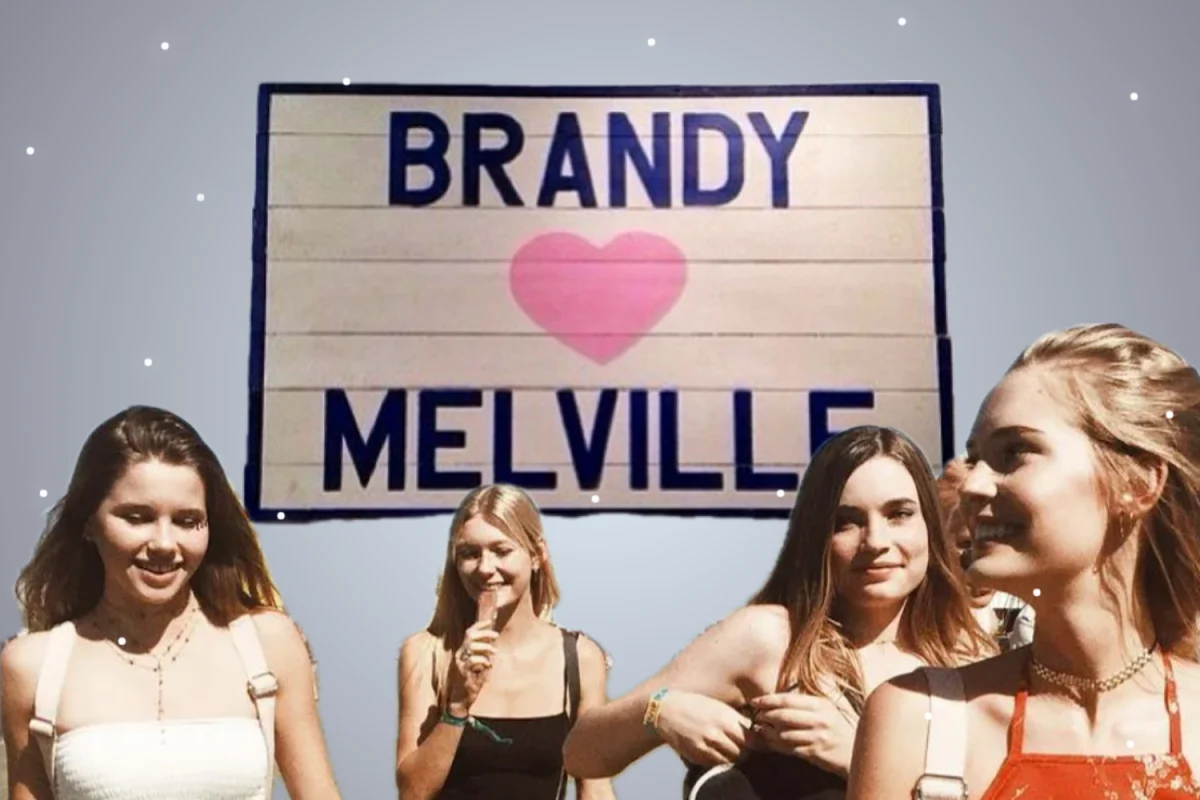
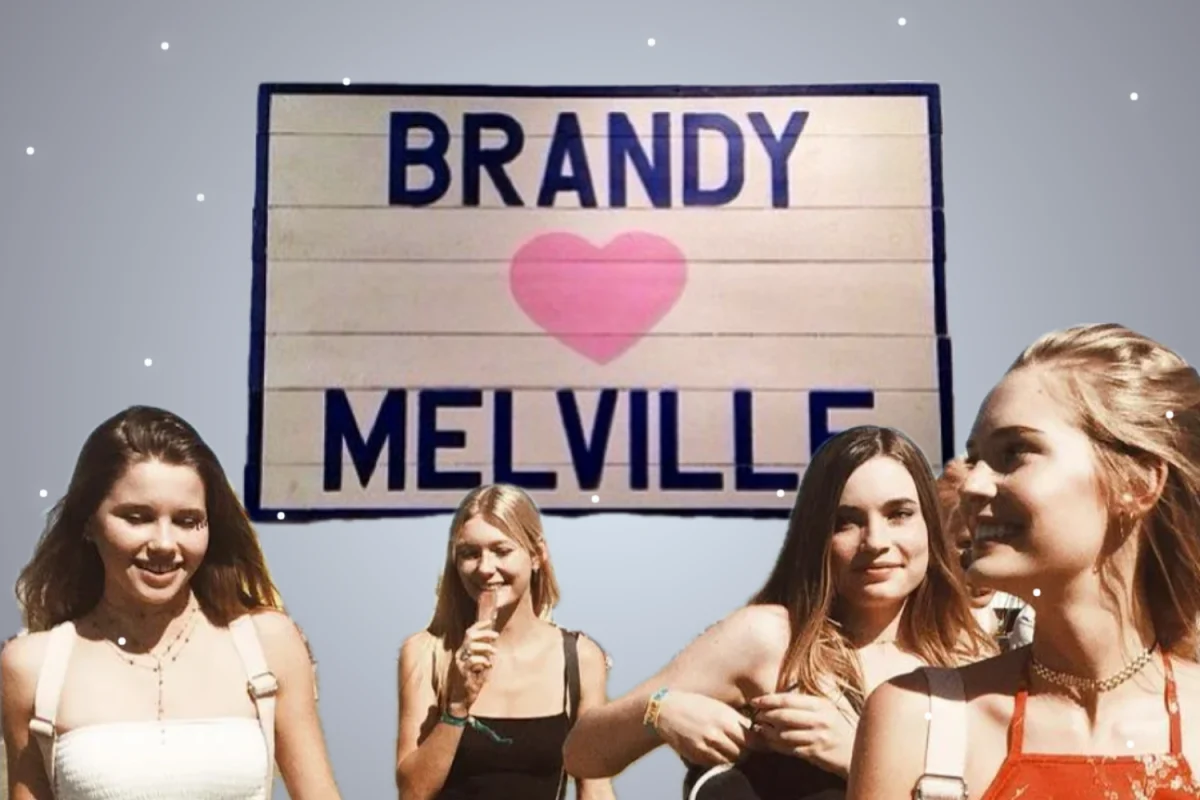
Somewhere in the United States, at this very moment, there is a teenage girl like myself standing under a crimson and sapphire American flag, surrounded by fairy lights, pastels, and names of cities she’s never visited. She picks up a white, lace tank from one of the shelves. The tag reads: 1 SZ.
I’ve seen Demetra Diaz wear something like this, she thinks. Coquette is still trendy, right?
Little does she know she’ll be back there in a month shopping for the newest trendy ‘aesthetic’: clean girl, vintage Americana, downtown girl, Stockholm style, the list goes on. She tries desperately to keep up with the style of TikTok’s newest ‘it girl’: Alix Earl, Demetra Diaz, Katie Fang, the Kalogeras sisters… Does it ever end?
It may seem exhausting, but when she checks out, her total is only $50. Then, the TikTok she posts with her new top gets twenty more likes than usual. So it’s a small price to pay, right?
In reality, the true cost runs deeper than money or TikTok likes. Brandy Melville might just be Hell dressed in a California baby tee.
Brandy Melville has been under fire in the last few years for multiple reasons. The store has been labeled as a fast-fashion company that creates a negative working environment with little pay for their employees. Brandy has also been accused of promoting body insecurities, antisemitism, and racism. There are other speculations surrounding Brandy’s ethics in terms of its manufacturing and environmental impact.
So how is this possible? It’s just a retail store, isn’t it? How could some cute clothes cause such detrimental effects? In reality, it’s not just about clothes; and Brandy has done an excellent job of hiding the consequences in the wake of every purchase.
Origin
Brandy Melville first opened in Italy in the early 1980s. Over the last few decades, the company has expanded globally to numerous international locations and multiple online stores.
Brandy Melville builds its brand on 90’s, so-cal inspired styles. The company is known for rapidly keeping up with the ever changing fashion trends with the help of Generation Z market researchers to guarantee that Brandy will never fall behind the newest fad.
Brandy Melville has only grown in popularity since the invention of social media, specifically TikTok and Instagram, providing a platform for “fashion influencers” to thrive. These influencers build careers off of sharing their daily outfits online, determining what is “in” and what is “out”.
Clothes that teenagers hated last week can become the newest trend overnight as soon as they’re seen on one of our beloved creators.
A notable example of this phenomenon relates to a famous TikTok fashion influencer named Alix Earl, who rose to fame in 2023. Skinny jeans were arguably the most hated piece of clothing online. That is, until Earl posted a video wearing them. Then, skinny jeans were officially “in” again, and were spreading like wildfire across social media. Then came Demetra Diaz, known for her minimalist style: plain baby-tees, simple sweaters, and, of course, her signature low-rise baggy jeans, officially turning TikTok away from Earl’s skinny jeans for what feels like the thousandth time in recent years.
Then comes the popularization of labeled fashion “aesthetics” like coquette, vintage Americana, Stockholm style, clean girl, downtown girl, etc. These terms gave Brandy Melville new buzzwords to use in their advertisements, drawing in even more attention from teenagers.
Brandy has everything it needs to form an all powerful fashion trend monopoly, raking in a whopping 212 million dollars in 2023 alone.
Now, in 2026, it’s about time we look beyond the buzzwords and explore the harsh reality, the dark truth behind the seams of Brandy Melville.