After two years of high school, you’re stepping into your junior year, a milestone often described as the most challenging and defining part of your high school career. It’s the time when everything is supposed to “count”: grades, test scores, leadership roles, and college plans. From the very start, students are warned about what’s ahead: the long nights, the endless studying, and the constant pressure to succeed. But is junior year really as terrifying as everyone makes it out to be?
For many students, junior year does come with new challenges. Classes get tougher, workloads pile up, and teachers raise their expectations. It’s also the year when college feels closer than ever. Students start preparing for SATs or ACTs, building resumes, and figuring out what they want to do after graduation. With all that in mind, it’s no surprise that some students feel overwhelmed.
“The biggest challenge for me is feeling like I need to do more activities and branch out but feeling like I don’t have time or it’s too late for me,” junior M. Van Treese said. “As well, we are almost 2 months into school, and almost all my friends are. I am so burnt out, but I have to push through because it’s junior year.”
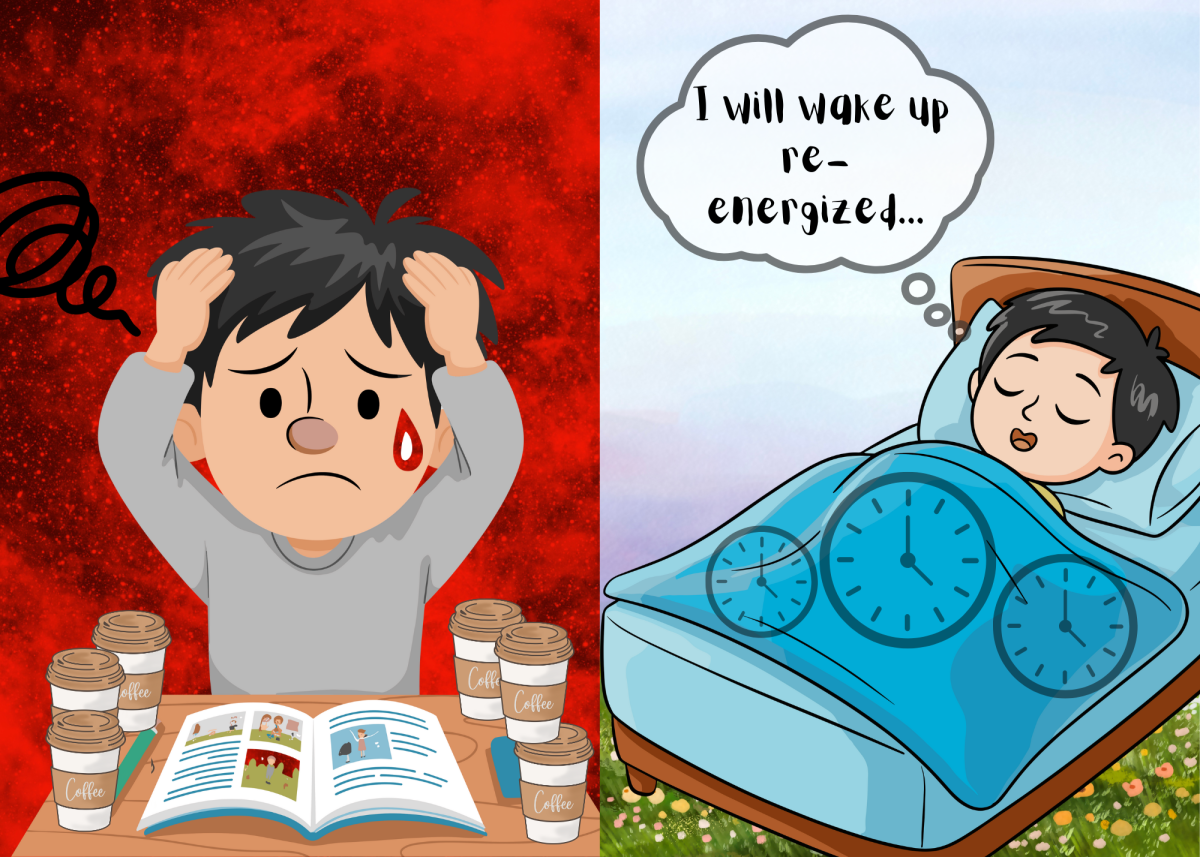
Once classes begin, that anxiety meets reality. Junior year is when the workload ramps up. Teachers assign longer readings, essays, and even projects. AP and honors courses require more time and effort, and balancing that with sports, extracurricular activities, part-time jobs, and personal responsibilities becomes a daily challenge. For many students, it’s their first real introduction to time management and burnout.
According to Crown Counseling, 50% of high school juniors report having high burnout incidents. Much of the anxiety doesn’t just come from the workload itself but from the reputation of junior year. A poll sent out to Niles North juniors showed that 100% of students felt the stigma surrounding junior year makes them feel more anxious before the year even begins.
“Burning out early is one of the biggest challenges for me,” junior Xavier Divinagracia said. “Because of the stereotype of junior year being the hardest, I went into it giving it my all from the start. I tried to stay on top of every assignment, study extra in advance, and balance that with my extracurriculars. But after the first few weeks, it started to take a toll on my energy and motivation.”
Teachers notice the shift too. Many describe junior year as the point when students begin to see the bigger picture, and with that awareness comes a mix of maturity and stress.
“I think because, after all, 16- and 17-year-olds are still kids, many students struggle to manage their time in order to balance the stress,” English teacher Ms. Ashley Amelianovich said. “Many still procrastinate, do not use study hall time productively, and fall behind in their work only to feel overwhelmed when attempting to catch up. However, I do not think this is the majority. Most of my students seem like they’re handling themselves well, and many seem to have the vocabulary to communicate their stress when they are not.”
But not every student’s experience is the same. How difficult the year feels depends on the person, their course load, activities, and how they manage their time. Some find it challenging but rewarding, while others are surprised to find it not as bad as they expected.
“As a senior, I can most definitely tell you that the rumours are true,” senior Rubab Fatima said. “Junior year is the worst year of them all. hat kept me going was the end goal, that at the end of the day this would all be worth it. So I encourage the juniors out there that are feeling absolutely defeated. Keep going. It will all pay off in the end, and don’t let the pressures of school alter your potential.”
There are bright spots that often get overlooked. For some, junior year is the first time they start to truly discover their strengths and passions. Students begin joining clubs that actually interest them, exploring leadership roles, and focusing on subjects they may want to pursue in the future.
“I think the stigma around junior year really depends on your schedule and how much you overwork yourself,” junior Yaeeta Lajin said. “For me personally, junior year so far has been way better than sophomore year. I don’t have as much work; I’m literally in bed by 10 p.m. I’ve definitely put myself out there more socially. I’ve joined a lot of clubs and done more extracurriculars outside of school. Junior year I’ve definitely had more time for myself and have had fewer things to worry about.”
It’s also important to recognize the mental health aspect of the year. Constant pressure can lead to burnout, anxiety, and even loss of motivation. Niles North has many resources and clubs, such as the mental health wellness kits in the library, Mental Health Club, Uplifting Health, and other spaces that are aimed to encourage conversations about mental health and help cope with stress that may be present.
Personally, I think any year of high school can be difficult depending on the person, their classes, and what’s happening in their life. But there’s no denying that junior year has certain factors that build up pressure, from tougher coursework to college prep and the constant reminder that “this is the year that matters,” when it really should be all years that matter. It’s not always the hardest year for everyone, but it definitely is one that tests your mindset and motivation.
At the end of the day, maybe the stigma surrounding junior year says more about the pressure students put on themselves than the year itself. Every student’s experience is different, and while junior year can be overwhelming, it can also be empowering. It’s the year that teaches you to handle stress, discover your limits, and realize that “hard” doesn’t always mean “impossible.”
So, is junior year really as scary as they say? Maybe, but it’s also one of the most meaningful years of high school. It’s when students face pressure, yes, but also growth. It’s when you realize you’re no longer a freshman trying to find your way but not quite ready to move on. It’s the bridge between who you were and who you’re becoming, and that’s what makes it unforgettable.